
-
EXHIBITION
-
흔적: 표면의 대화
- FRIENDS
- 끝없는 모색전
- 유희만 개인전
- 이은정 개인전
- 김윤지 개인전
- 조재 개인전
- Horizontal Consent
- 우종택 3인전
- Analog
- Kim Jin Kwan 개인전
- Song Milinae 개인전
- 이유진 개인전 Love story
- 권선영 개인전
- water color
- 박지훈 개인전
- IL MARE _Wave
- 적색목록
- Individual
- The Masters
- Cognition
- Van Gogh, Don’t Be Sad
- KIM Seungyeon mezzotint
- Moon In Soo Solo Exhibiton
- Bae Ji Hyun Solo Exhibition
- Object and Painting
- Ha Ho-Sook Solo Exhibition
- Cookie Fantasy
- Past the present
- 시선이 남기는 것들
- Contemplating Life
- 시선의 층
- 고요와 수행
- 중첩된 일기
- 흔적: 표면의 대화
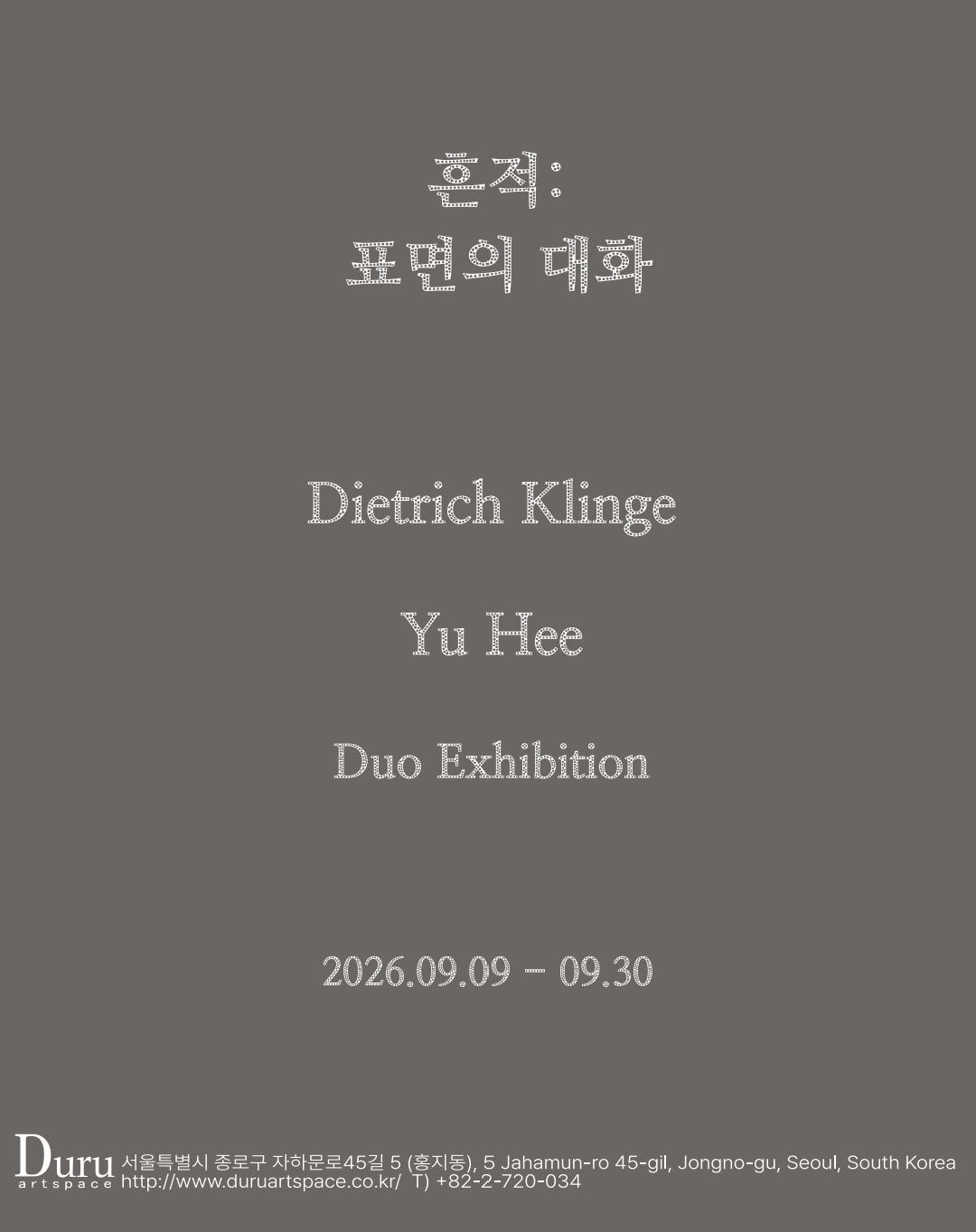
흔적: 표면의 대화
⟪흔적: 표면의 대화⟫
유희 & 디히트리히 끌링에 2인전
2026.09.09 - 09.30
_
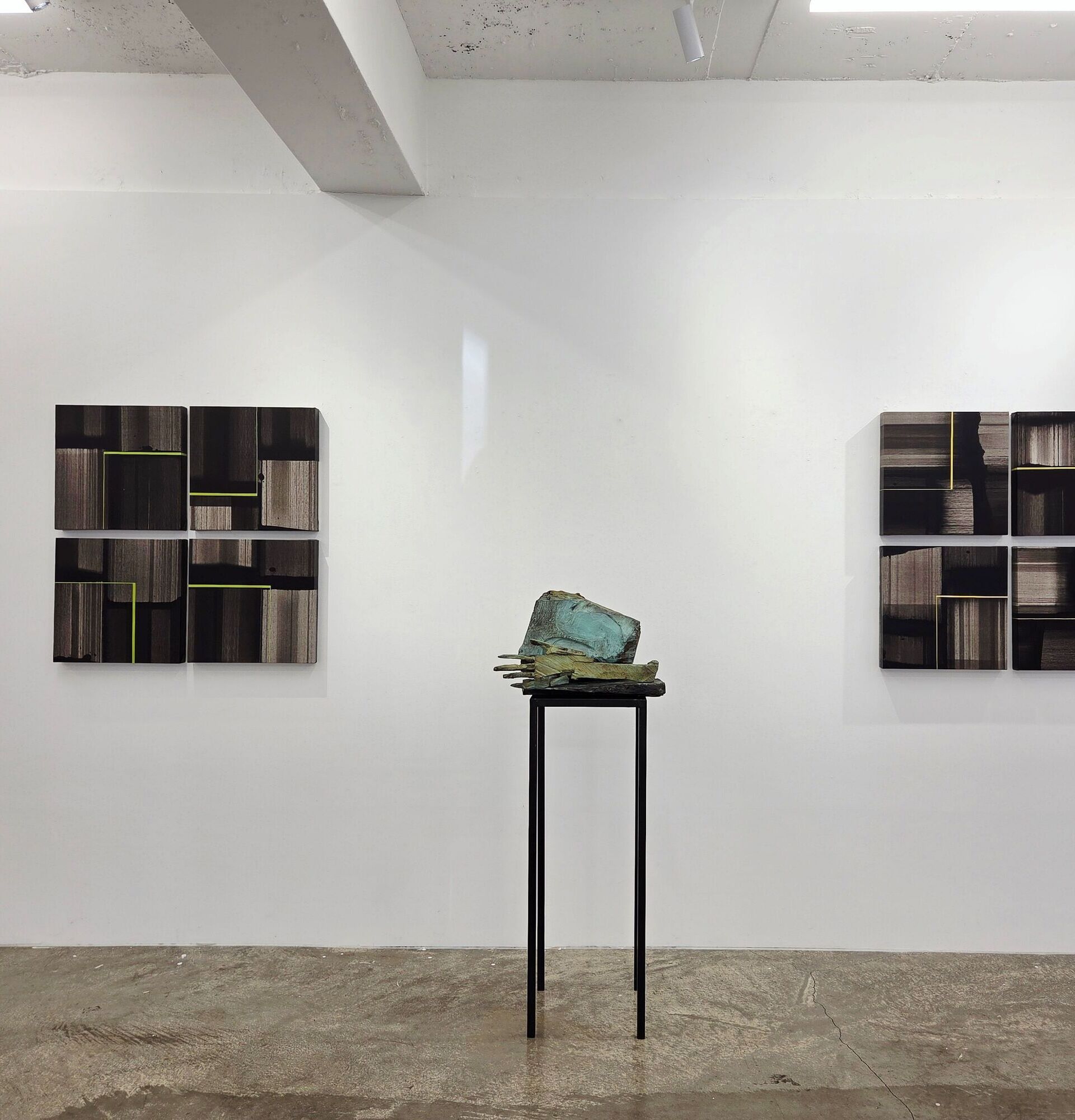
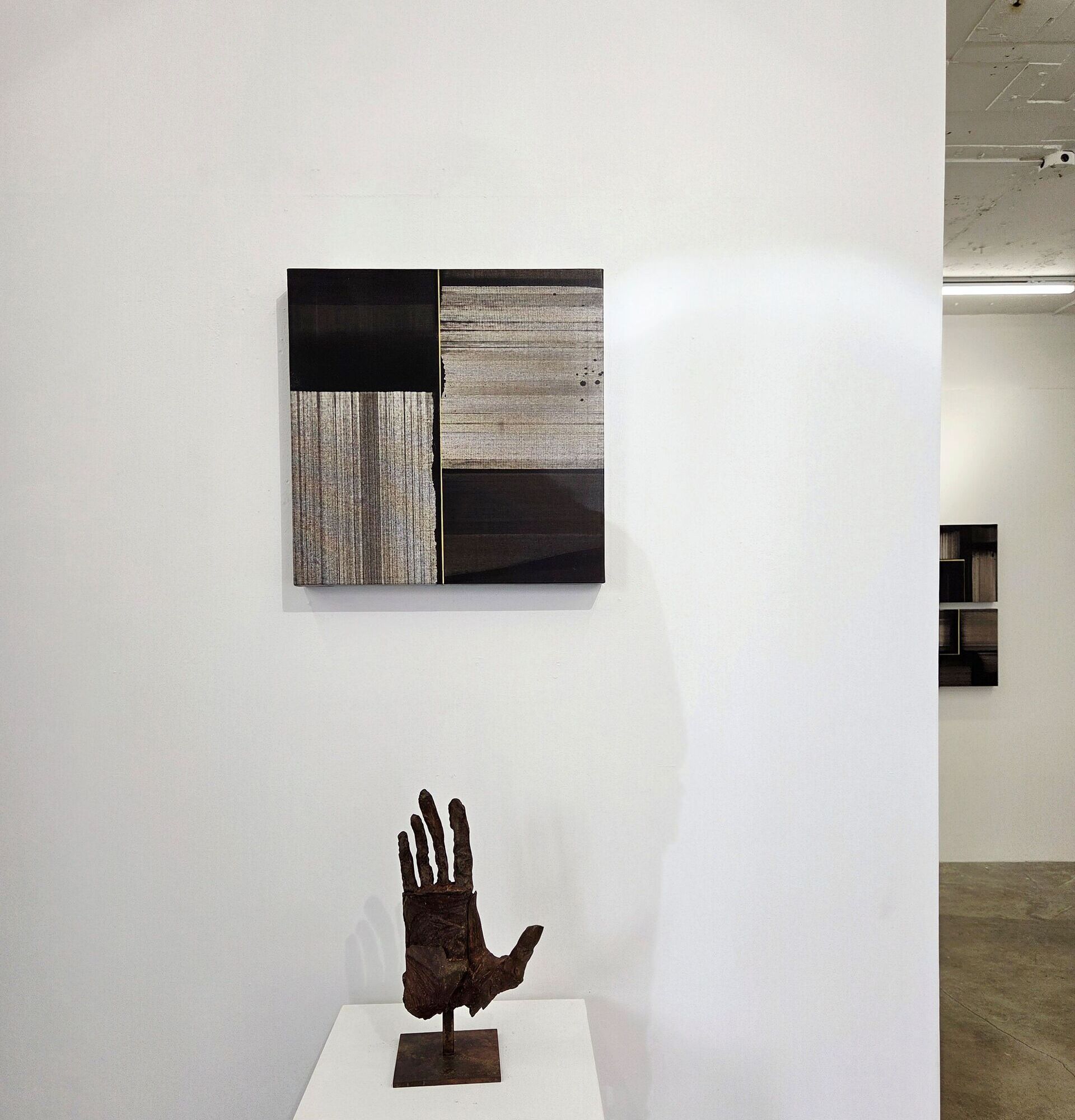
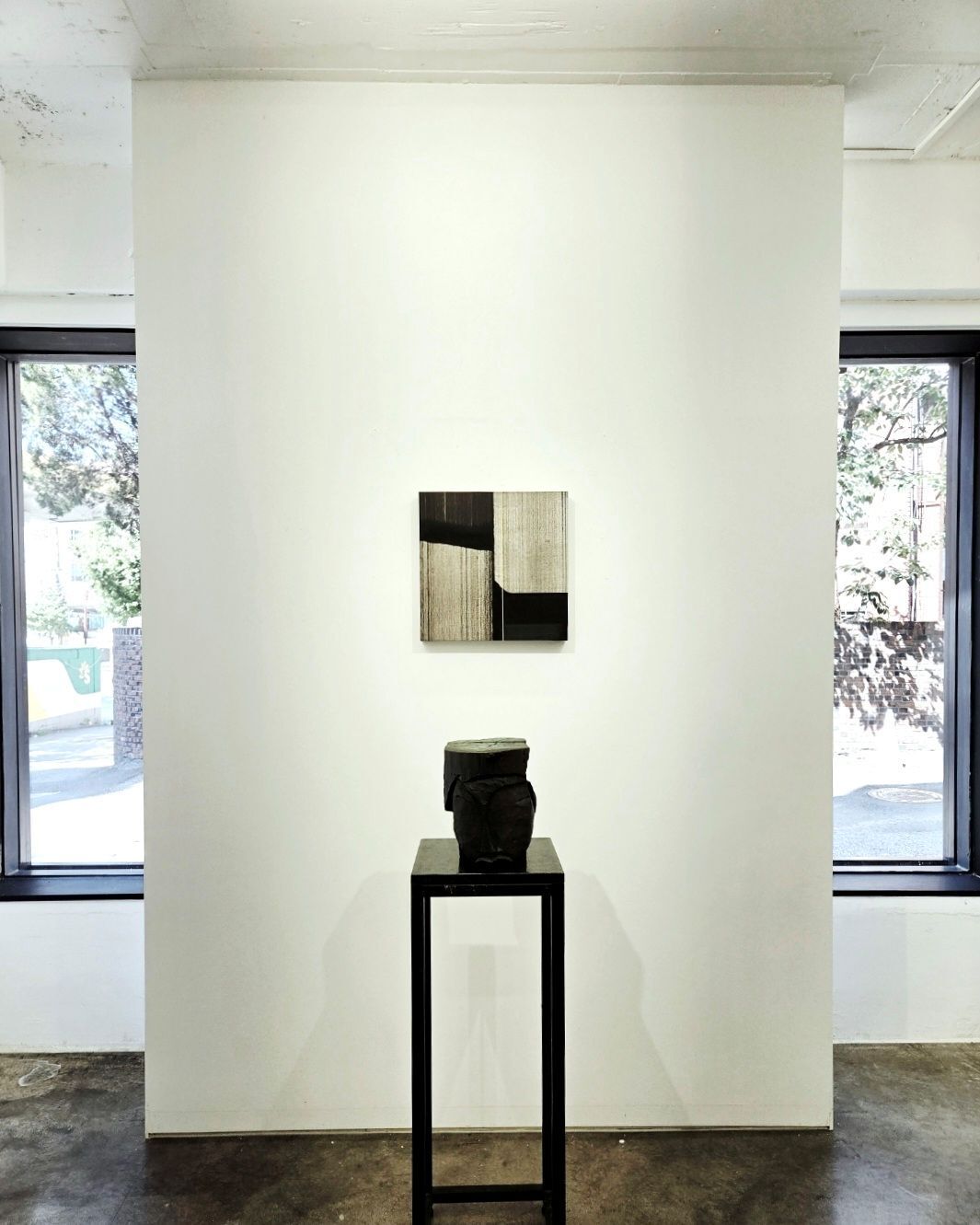
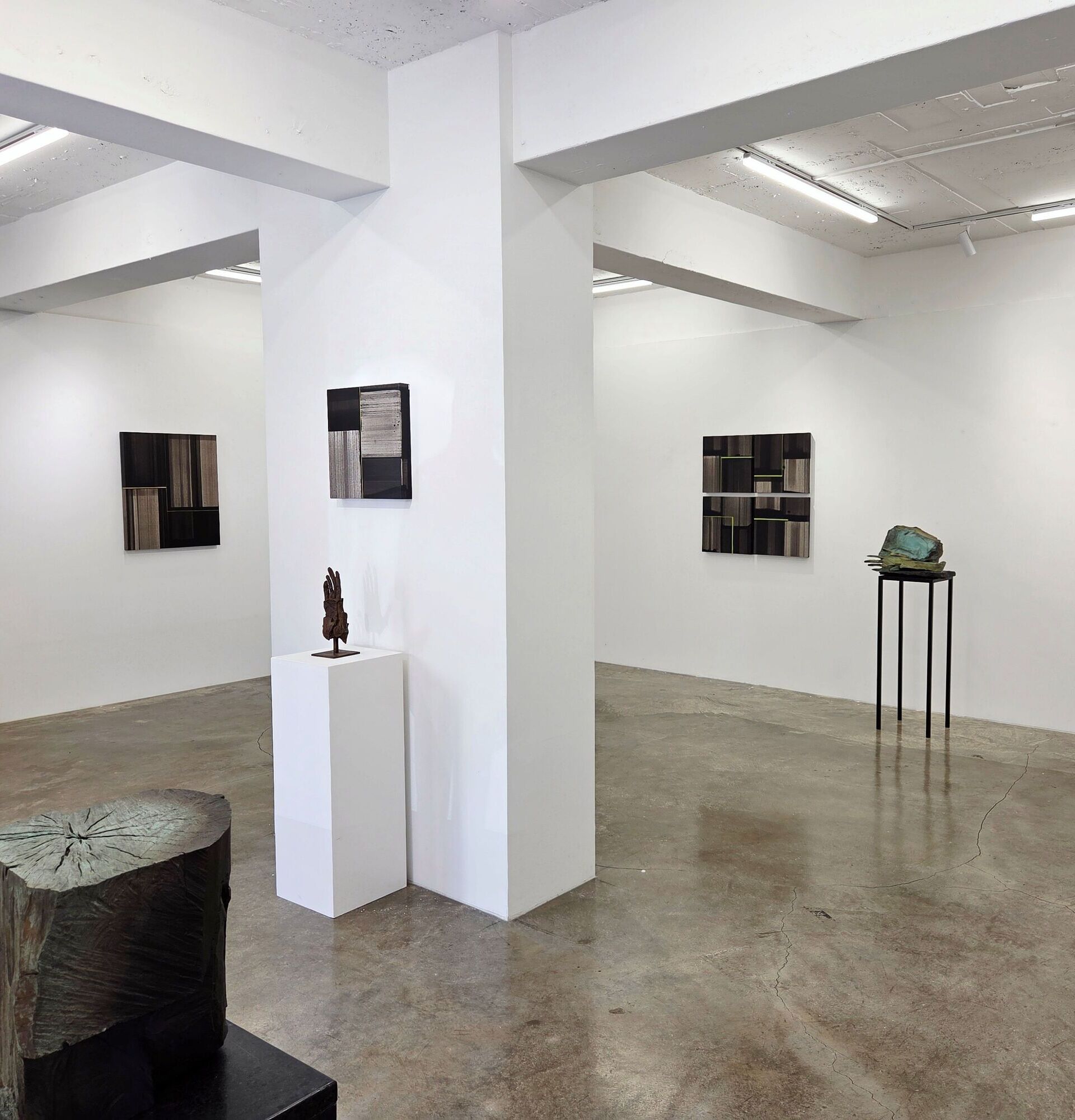
유희와 디트리히 끌링에는 도구가 지나간 자국을 지우지 않는다. 유희는 스퀴즈로 물감을 밀어내고, 끌링에는 톱과 끌로 나무의 표면을 파고든다. 한 사람은 색을 밀어내고, 다른 한 사람은 나무를 깎아낸다. 그러나 서로 다른 행위가 지나간 자리에는 공통적으로 몸의 움직임과 시간의 흔적이 남는다.
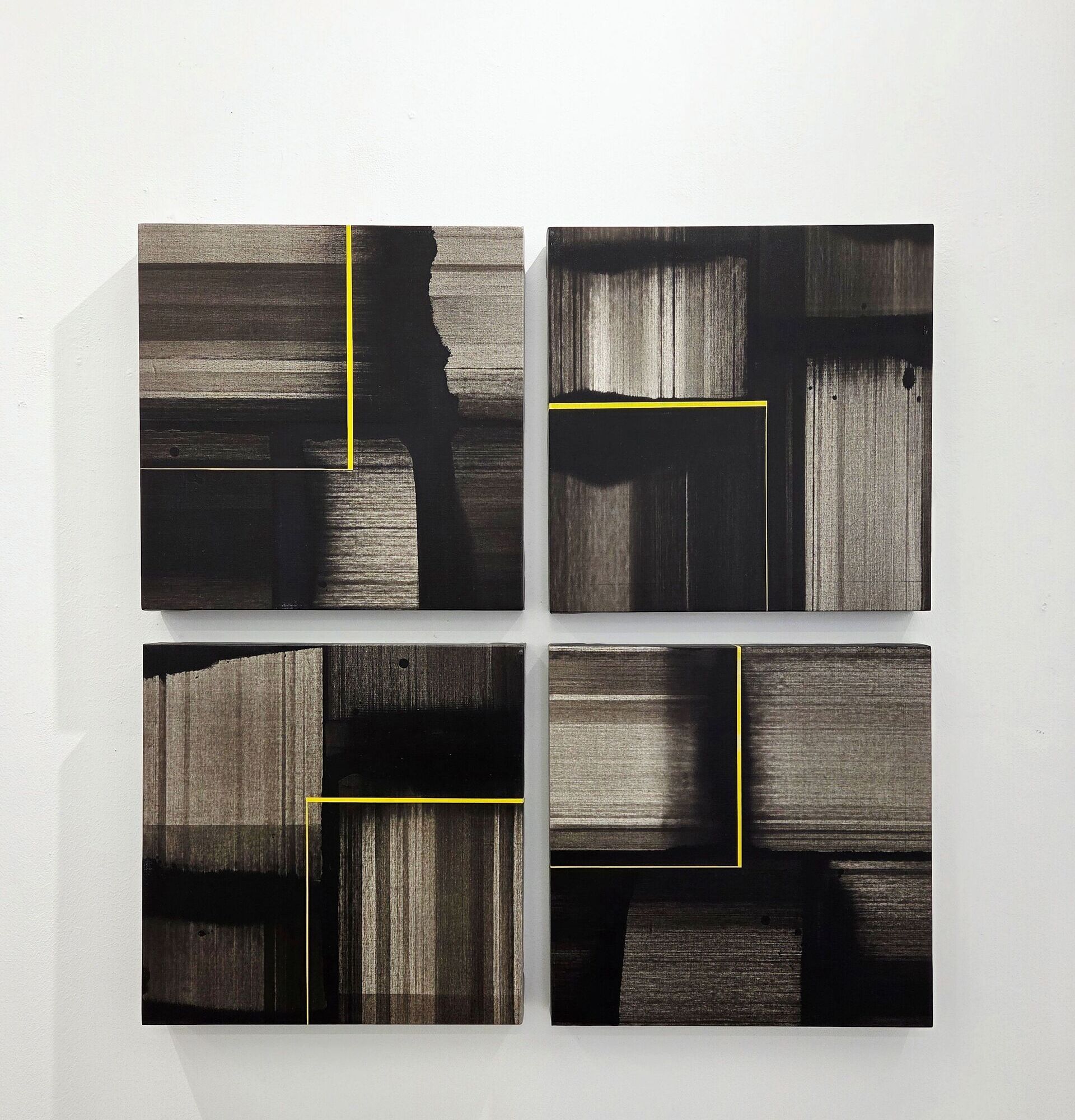
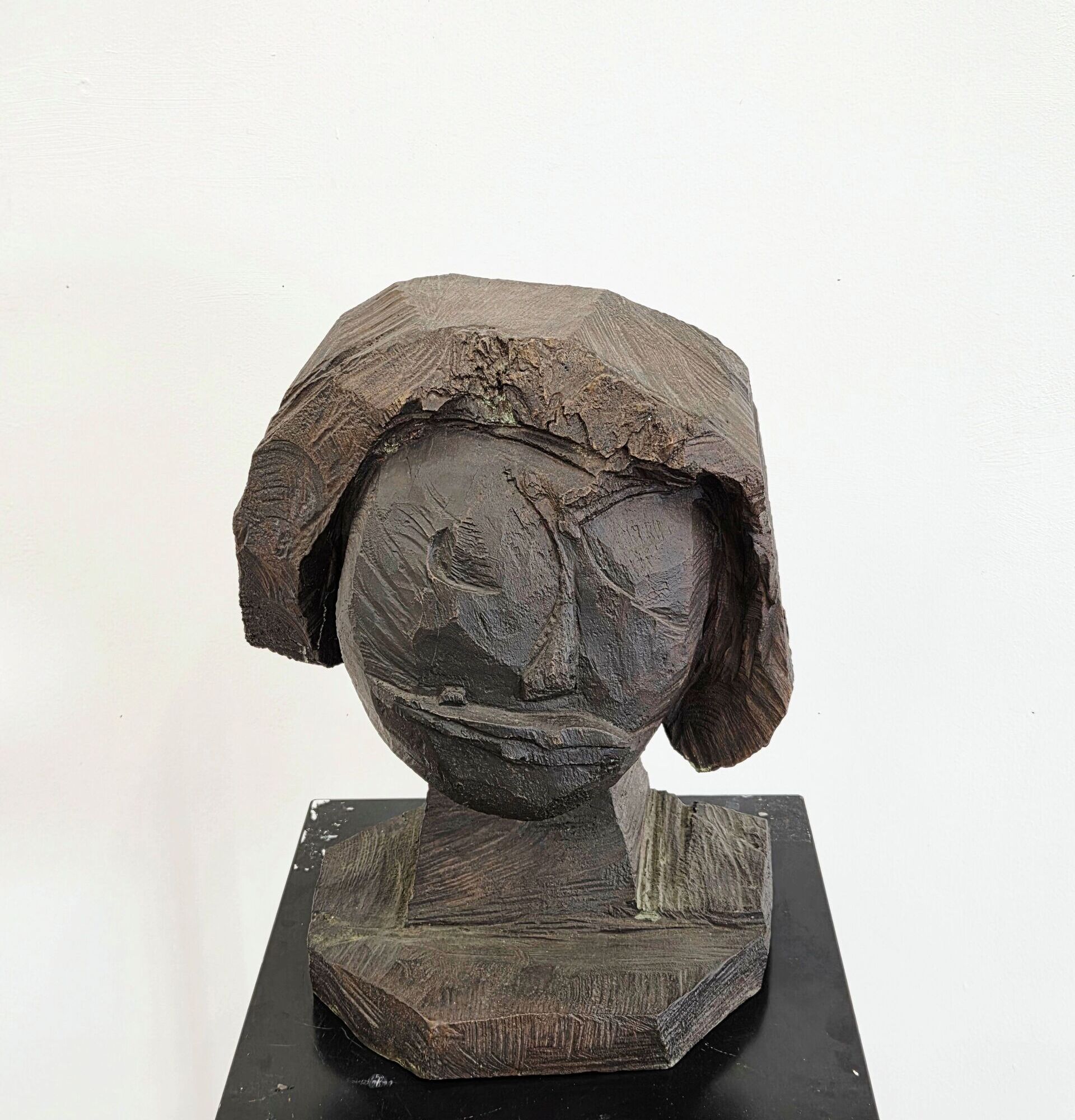
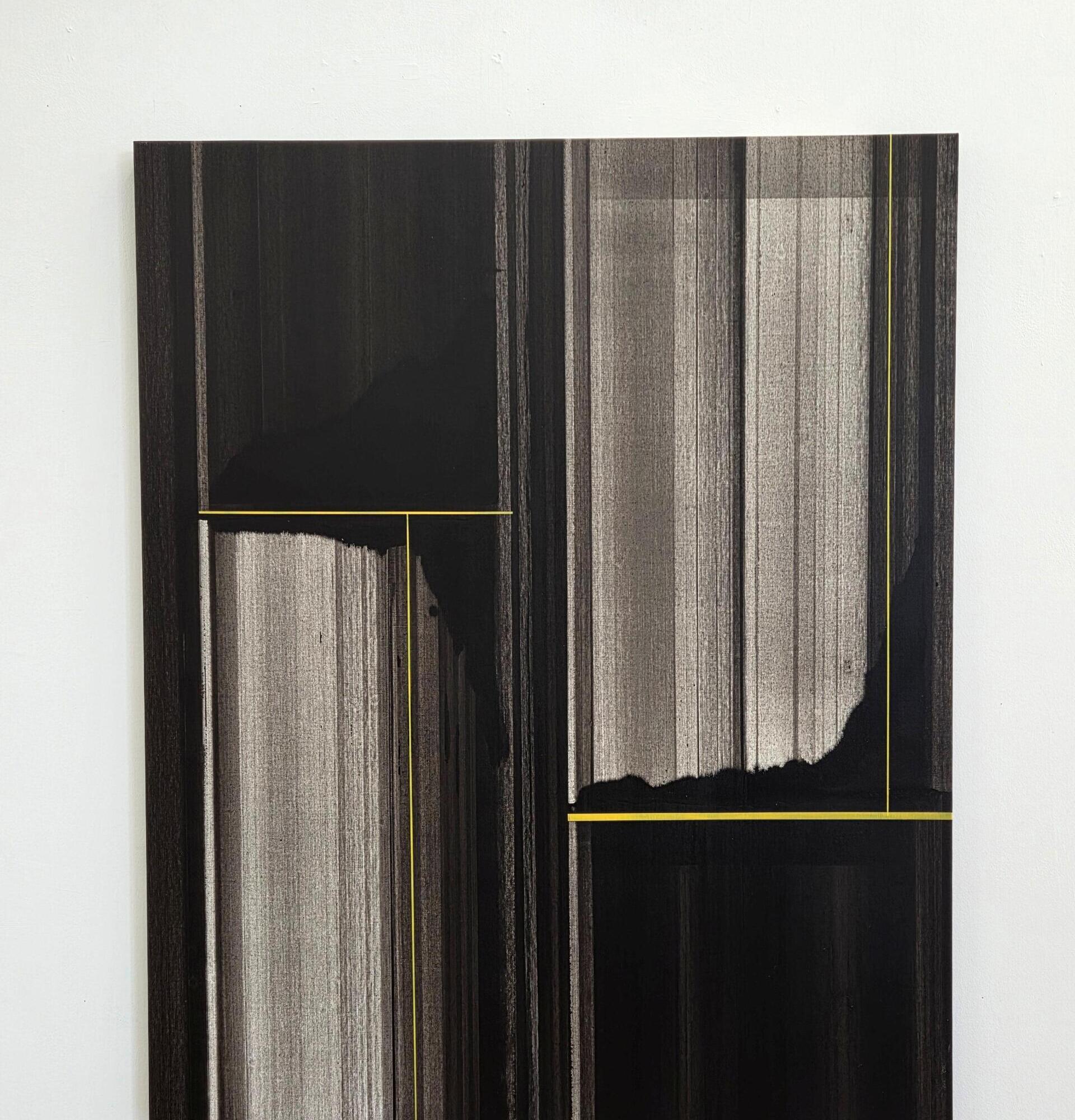
유희의 화면에는 여러 방향으로 밀려난 물감의 자국이 층을 이루고, 그 위로 가느다란 선이 가로지르며 화면의 흐름을 만든다. 끌링에의 나무 조각에서는 절단과 삭제가 반복되며 표면이 깎이고 패인다. 그 흔적은 무엇인가를 재현하기보다 도구가 지나간 자리, 그리고 그 과정의 시간을 드러낸다.
표면은 단순한 바탕이 아니라, 행위가 머물렀던 장소이자 다음 움직임을 만들어내는 출발점이다. 한 번 멈춘 흔적은 다시 시선을 움직이게 하고, 잘려나간 자리는 새로운 경로를 만든다. 유희에게 흔적이 리듬으로 남는다면, 끌링에에게 흔적은 파편과 깊이로 남는다.
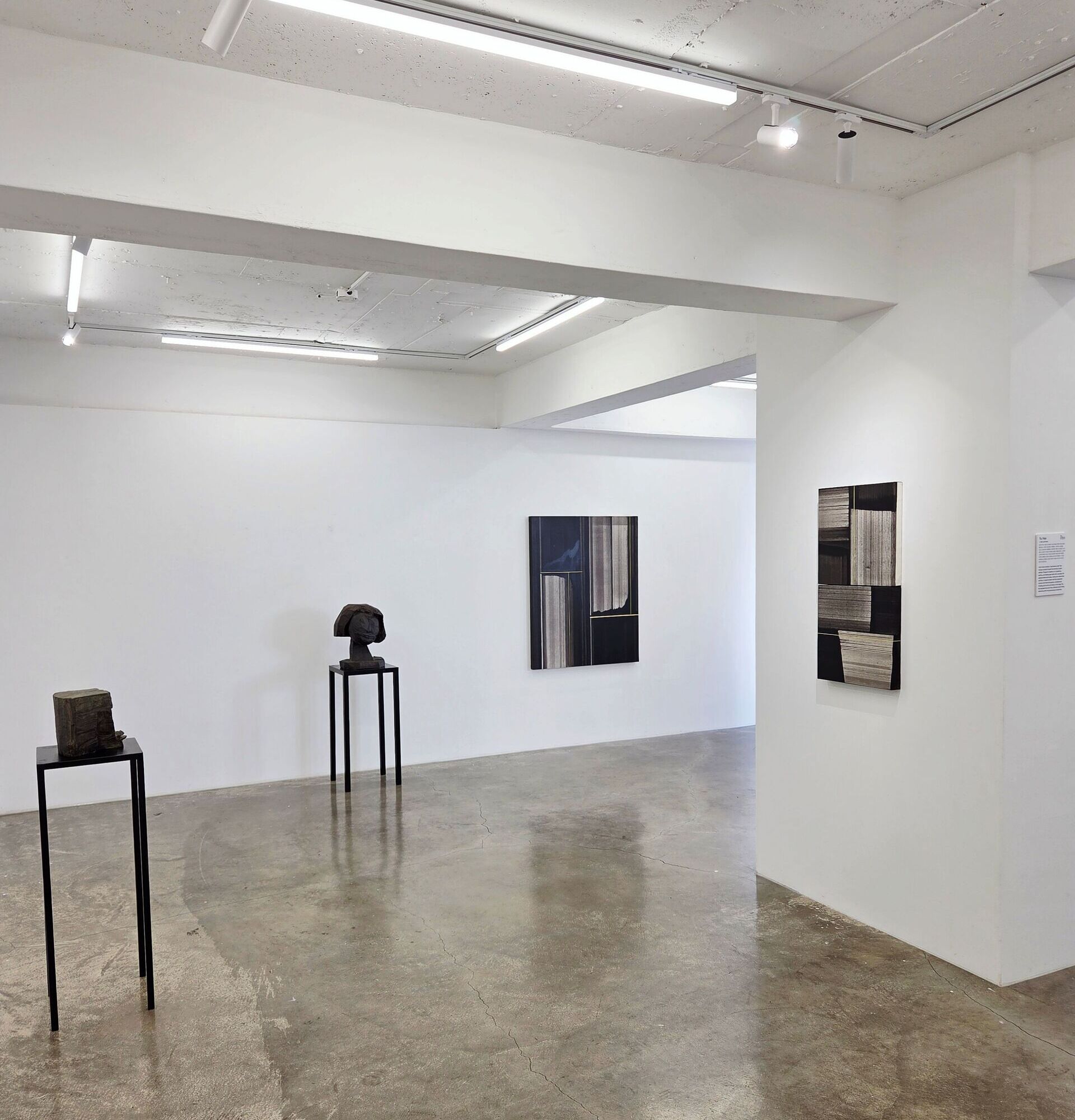
서로 다른 재료와 방식으로 만들어진 두 표면은 그렇게 서로를 마주한다. 관람자는 밀어낸 물감의 방향과 파고든 도구의 깊이를 따라가며, 표면이 무엇을 드러내고 무엇을 감추는지, 그리고 그 아래에 어떤 시간이 머물고 있는지를 만나게 될 것이다.
Traces: Dialogue on the Surface
Yu Hee and Dietrich Klinge do not erase the marks left behind by their tools. Yu uses a squeegee to push paint across the canvas, while Klinge carves into the wood with saws and chisels. One pushes color; the other cuts away wood. Yet where these distinct actions pass, both leave behind common traces—the movement of the body and the passage of time.
On Yu’s canvas, layers of paint pushed in multiple directions intersect with slender lines that chart the rhythm of the composition. In Klinge’s wooden sculptures, repeated cuts and removals leave the surface carved and deeply scarred. Rather than attempting representation, these marks reveal where the tool has traveled and the duration of the process.
The surface here is not a passive backdrop; it is where action takes place and where subsequent movement begins. A mark once paused redirects the viewer's gaze, and a carved section establishes a new trajectory. Where traces remain as rhythm for Yu, they endure as fragments and depth for Klinge.
Facing each other across different mediums and techniques, these two surfaces engage in dialogue. Following the direction of the pushed paint and the depth of the carved wood, viewers are invited to explore what the surface reveals, what it conceals, and the time embedded beneath it.